

Uncle Phil
El legado de Philip C. Hanna.
(Please find ENGLISH VERSION below)
Hubo un norteamericano que llegó a Monterrey en 1899, se quedó veinte años, sobrevivió inundaciones, hambrunas y una revolución, y al irse le escribió un poema a la ciudad en su propia letra. Esta es su historia, y el legado que dejó.
Por Manuel E. Familiar · Colaborador NA77
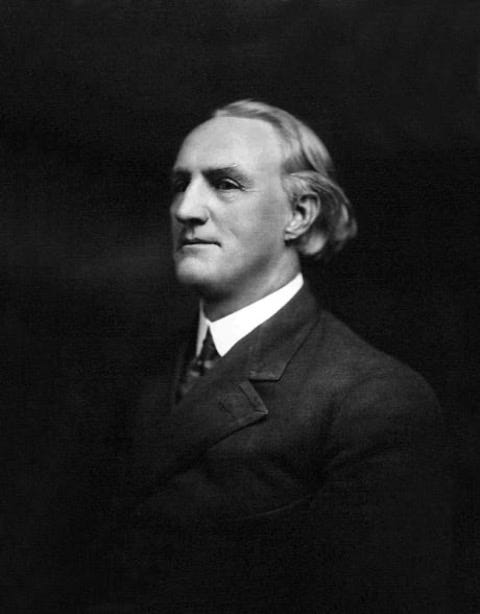
Philip C. Hanna, Cónsul General de Estados Unidos en Monterrey, ca. 1900–1919. Colección familiar Hanna-Robertson · Archivo personal del autor.
El 22 de abril de 1914, una multitud enfurecida llegó al consulado de los Estados Unidos en Monterrey gritando “muerte a los gringos.” La razón era real: tropas estadounidenses acababan de ocupar el puerto de Veracruz, y la ciudad ardía. Las autoridades huertistas, montadas en esa furia, violaron todos los principios del derecho consular y arrestaron a Philip Hanna, el Cónsul General, llevándolo preso a la Penitenciaría de la ciudad. Le ofrecieron escoltarlo a la frontera. Se negó. No saldría hasta saber que cada ciudadano estadounidense bajo su responsabilidad estuviera a salvo.
Lo que lo protegió no fue su pasaporte. No fue su cargo. Fue que la mayoría de la población de Monterrey lo quería, y ese afecto, construido durante quince años de servicio que ningún protocolo había exigido, resultó más poderoso que la hostilidad del momento político. El arresto de Hanna llegó a las primeras planas del New York Times. Pero lo que no cabía en ningún titular era la razón por la que una ciudad en llamas había decidido, en el fondo, protegerlo.
Para entender eso, hay que volver a 1899. Y hay que entender quién era este hombre antes de llegar a Monterrey.
Hay una razón personal por la que esta historia me importa, y volveré a ella. Pero primero, el hombre.
Philip C. Hanna nació el 27 de junio de 1857 en Waterloo, Iowa, y creció en una cabaña de madera que era al mismo tiempo dormitorio, escuela e iglesia. Su padre, George Washington Hanna, fue el primer colono de ascendencia europea en el Condado de Black Hawk, el hombre que puso la primera piedra de lo que hoy es Waterloo. Su madre, Mary Melrose, fue la compañera de esa fundación: una mujer cuya fortaleza y carácter serían recordados con admiración por generaciones. Su hermano George, bautizado con el mismo nombre que su padre, fundó un pequeño poblado llamado LuVerne. Once hermanos en una sola familia, en un estado que todavía se estaba construyendo a sí mismo.
De esa formación salió un hombre con la convicción de un predicador metodista y el pragmatismo de un pionero: alguien que no espera que las instituciones lleguen desde arriba, que las construye desde abajo cuando hacen falta. Cuando Philip Hanna llegó a Monterrey como cónsul general de los Estados Unidos, en 1899, traía consigo esa educación. Le duraría toda la vida.
En aquel entonces, Monterrey era el corazón industrial del norte de México, una ciudad que había decidido construirse a la altura del siglo que venía. La jurisdicción consular de Hanna se extendía desde Tamaulipas hasta Sonora, la mitad del país. Y cuando México entró a la Revolución en 1910, el gobierno norteamericano no contaba con embajador en la capital: los veinticinco cónsules distribuidos por el territorio eran la principal fuente de inteligencia de Washington sobre lo que ocurría en el país. Hanna no era un funcionario menor. Era, en los términos de su época, un observador estratégico en el momento más volátil de la historia del continente.
El historiador Miguel Ángel González Quiroga, de la Universidad Autónoma de Nuevo León y la Universidad de Texas en San Antonio, documentó su vida y gestión en el libro Philip Hanna en Monterrey: Una visión de la Revolución Mexicana. La conclusión de González Quiroga es precisa: en una época en que las relaciones entre México y Estados Unidos constantemente se acercaban al rompimiento, hombres como Hanna escaseaban. Siempre fue una voz prudente en un ambiente saturado de hostilidad y acusaciones mutuas.
La inundación de 1909
La inundación de 1909 fue el primer momento que definió su carácter ante los ojos de Monterrey. Un huracán descargó sobre la ciudad en agosto de ese año y el río Santa Catarina, usualmente seco, se convirtió en una corriente de más de un kilómetro de ancho que dejó miles de muertos y veinte mil personas sin hogar.
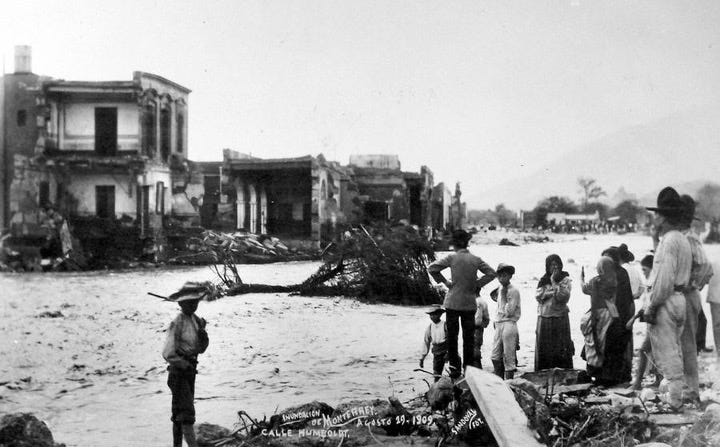
Inundación de Monterrey, Calle Humboldt, 29 de agosto de 1909. Foto: Sandoval. Colección histórica.
Hanna transformó el consulado norteamericano en un centro de ayuda. Recaudó fondos en Estados Unidos, organizó cocinas de emergencia, trabajó semanas sin descanso hasta quedar postrado en cama. No estaba obligado a hacerlo. Ningún protocolo diplomático lo exigía. Lo hizo porque consideró que era lo correcto. González Quiroga documenta que Hanna muchas veces pagaba de su propio bolsillo para ayudar a la gente pobre, sin pedir recibos, porque le parecía indigno exigírselos.
La gente de Monterrey no lo olvidó.
El tren de Torreón
En septiembre de 1913, en plena lucha fratricida, organizó un tren con alimentos para los refugiados que huían de Torreón. El detalle que González Quiroga documenta y que no se puede dejar pasar: Hanna incluyó naranjas de Montemorelos para las mujeres y los niños, y puros para los hombres. Ese nivel de consideración humana en medio del caos no es logística. Es carácter.
Partidarios de todas las facciones acudían al consulado cuando sus vidas estaban en peligro. Maderistas, huertistas, carrancistas, todos sabían que en ese edificio encontrarían refugio. Hanna mantuvo esa neutralidad con cautela y sin traicionar a ninguno.
El arresto de 1914
Cuando las autoridades huertistas lo arrestaron ese abril, Hanna había pasado quince años construyendo algo que ningún cargo diplomático garantiza: la confianza de una ciudad entera, cruzando facciones, cruzando clases sociales, cruzando el resentimiento que la presencia norteamericana generaba entre quienes más sufrían sus consecuencias. Pasó varios días encarcelado, manteniendo su compostura y exigiendo la liberación de otros civiles. Lo que lo protegió, según González Quiroga, no fue su pasaporte ni su cargo. Fue que la mayoría de la población de Monterrey lo quería.
Ese afecto fue más poderoso que la hostilidad del momento político.
Las sombras del hombre
González Quiroga es honesto en su valoración del personaje, y esa honestidad es lo que hace valiosa su obra. Hanna no era perfecto. Admiró demasiado a Porfirio Díaz y no supo ver, o no quiso ver, la opresión que sostenía esa modernidad que tanto le impresionaba. Tuvo actitudes paternalistas hacia las clases populares mexicanas. En ocasiones no comprendió el resentimiento que generaba la presencia norteamericana entre quienes más sufrían sus consecuencias.
Esas sombras no disminuyen al hombre. Lo completan. Un personaje sin contradicciones no es un ser humano. Y lo que queda cuando se pesa todo, las inundaciones, las hambrunas, la prisión, las dos décadas de servicio que ningún protocolo exigía, es un balance que pocas vidas diplomáticas de cualquier época podrían igualar.
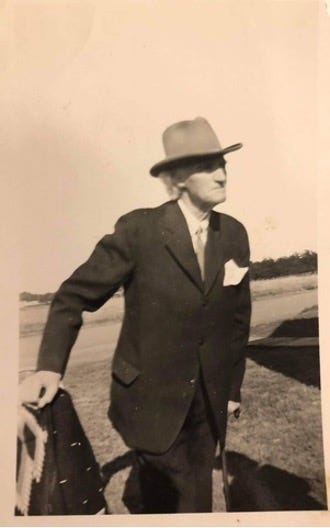
Philip C. Hanna en sus últimos años, ca. 1920s. Colección familiar Hanna-Robertson · Archivo personal del autor.
La cadena
Fue Philip Hanna, Uncle Phil como lo llamaba su familia, quien invitó a su sobrina Eugenia, hija de su hermano George Washington Hanna Jr., a viajar de LuVerne, Iowa a Monterrey como regalo por su graduación universitaria. LuVerne: el mismo pequeño pueblo que su padre había fundado décadas antes.
En Monterrey, Eugenia conoció a Treadwell Ayres Robertson, hijo del Coronel Joseph Andrew Robertson, el empresario norteamericano que había llegado décadas antes a tender el ferrocarril al Golfo de México y terminó participando en la fundación de la Cervecería Cuauhtémoc, trayendo el béisbol a México y publicando el primer periódico bilingüe de la ciudad. Eugenia y Treadwell se casaron. Su hija, mi abuela Georgia, nació en LuVerne, Iowa en 1902.
Sin la invitación de Uncle Phil, esa cadena no existe. Y sin esa cadena, este artículo tampoco.
No lo menciono como curiosidad familiar. Lo menciono porque es la demostración más concreta posible de algo que la plataforma NA77 argumenta desde su primera publicación: los puentes entre dos países no los construyen los tratados. Los construyen las personas. Una invitación. Un viaje. Un encuentro. Una decisión tomada sin calcular sus consecuencias, que se propaga por generaciones.
El poema
Nunca tuvo hijos propios. Volcaba su cariño en su familia y en la ciudad que adoptó como suya. Veinte años en Monterrey, y al despedirse, no encontró otra forma de hacerlo que con un poema escrito a mano. No con un informe. No con un discurso. Con versos sobre el Cerro de la Silla, la paloma blanca de la paz, y México como la tierra de sueños y visiones. Eso es lo que le salió al final. Eso es lo que guardó.
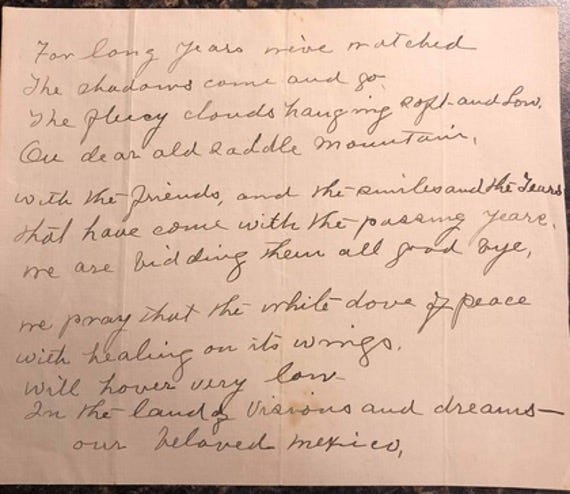
Poema manuscrito de Philip C. Hanna al despedirse de Monterrey, ca. 1919. Archivo familiar Hanna-Robertson · Documento original.
For long years we’ve watched / The shadows come and go, / The fleecy clouds hanging soft and low, / Our dear old Saddle Mountain.
With the friends, and the smiles and the tears / That have come with the passing years, / We are bidding them all good bye,
We pray that the white dove of peace / With healing on its wings / Will hover very low / In the land of visions and dreams, our beloved Mexico.
— Philip C. Hanna, ca. 1919
La tierra de sueños y visiones. Nuestro querido México. Lo escribió un hombre de Iowa que llegó sin saber que se quedaría, que ayudó sin que nadie se lo exigiera, que fue encarcelado por los mismos que después lo protegieron, y que al irse dejó versos en lugar de quejas.
No hay estatuas de Philip Hanna en Monterrey. No hay placas. Su nombre no aparece en ninguna calle ni en ningún edificio de la ciudad que habitó durante veinte años. Lo que dejó no es visible. Es la clase de legado que no se inaugura ni se fotografía: los caminos que otras personas siguieron porque él estuvo ahí, las decisiones que se tomaron de otra manera porque alguien eligió el puente en lugar del muro, la colaboración en lugar de la ruptura.
Si esa tesis es cierta a escala, es difícil saberlo. Solo puedo constatar la mía. Y eso es suficiente para contar la historia.
* * *
Este artículo se basa en la investigación de Miguel Ángel González Quiroga documentada en su libro Philip Hanna en Monterrey: Una visión de la Revolución Mexicana (Fondo Editorial de Nuevo León / UANL), y en historias, documentos y fotografías del archivo familiar Robertson - Hanna.
Monterrey, México · Abril 2026
* * *
Uncle Phil
The Legacy of Philip C. Hanna.
There was an American who arrived in Monterrey in 1899, stayed twenty years, survived floods, famine, and a revolution, and when he left wrote the city a poem in his own hand. This is his story, and the legacy he left behind.
By Manuel E. Familiar · NA77 Contributor
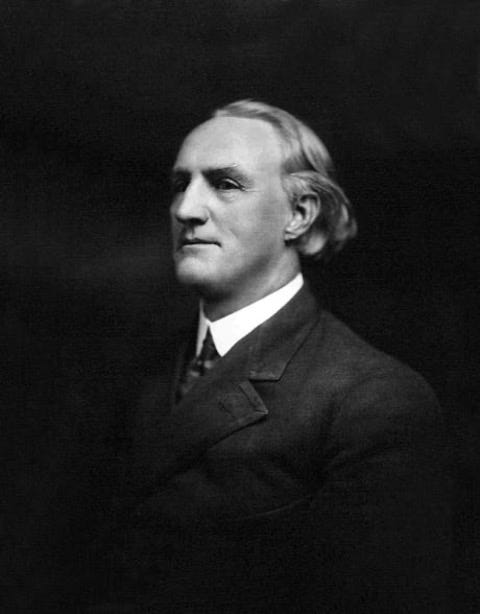
Philip C. Hanna, U.S. Consul General in Monterrey, ca. 1900–1919. Hanna-Robertson Family Collection · Author’s personal archive.
On April 22, 1914, an enraged mob arrived at the United States consulate in Monterrey shouting “death to the gringos.” The cause was real: U.S. troops had just occupied the port of Veracruz, and the city was burning. Huertista authorities, riding that fury, violated every principle of consular law and arrested Philip Hanna, the Consul General, taking him to the city’s penitentiary. He was offered an armed escort to the border for his safety. He refused. He would not leave until he knew every U.S. citizen under his responsibility was accounted for.
What protected him was not his passport. Not his title. It was that the majority of Monterrey’s population loved him, and that affection, built across fifteen years of service that no protocol had ever required, proved more powerful than the political hostility of the moment. Hanna’s arrest made the front page of the New York Times. But what no headline could contain was the reason why a city in flames had decided, in the end, to protect him.
To understand that, you have to go back to 1899. And you have to understand who this man was before he arrived in Monterrey.
There is a personal reason why this story matters to me, and I will come back to it. But first, the man.
Philip C. Hanna was born on June 27, 1857, in Waterloo, Iowa, and grew up in a log cabin that served simultaneously as bedroom, school, and church. His father, George Washington Hanna, was the first settler of European descent in Black Hawk County, the man who laid the founding stone of what is today Waterloo. His mother, Mary Melrose, was his partner in that founding: a woman whose strength and character would be remembered with admiration by generations of the family. His brother George, named after his father, founded a small town called LuVerne. Eleven siblings in one family, in a state still building itself from the ground up.
From that upbringing emerged a man with the conviction of a Methodist preacher and the pragmatism of a frontier pioneer: someone who does not wait for institutions to arrive from above, but builds them from below when they are needed. When Philip Hanna arrived in Monterrey as U.S. Consul General in 1899, he carried that formation with him. It would last a lifetime.
At the time, Monterrey was the industrial heart of northern Mexico, a city that had decided to build itself to the level of the coming century. Hanna’s consular jurisdiction extended from Tamaulipas to Sonora, half the country. And when Mexico entered its Revolution in 1910, the U.S. government had no ambassador in Mexico City: the twenty-five consuls distributed across the territory were Washington’s primary source of intelligence about what was happening in the country. Hanna was not a minor official. He was, in the terms of his era, a strategic observer at the most volatile moment in the history of the continent.
Historian Miguel Ángel González Quiroga, of the Universidad Autónoma de Nuevo León and the University of Texas at San Antonio, documented his life and tenure in the book Philip Hanna en Monterrey: Una visión de la Revolución Mexicana. González Quiroga’s conclusion is precise: in an era when relations between Mexico and the United States constantly approached the breaking point, men like Hanna were rare. He was always a prudent voice in an atmosphere saturated with hostility and mutual accusation.
The flood of 1909
The flood of 1909 was the first moment that defined his character in the eyes of Monterrey. A hurricane struck the city in August of that year and the Santa Catarina River, usually dry, became a current more than a kilometer wide that left thousands dead and twenty thousand people homeless.
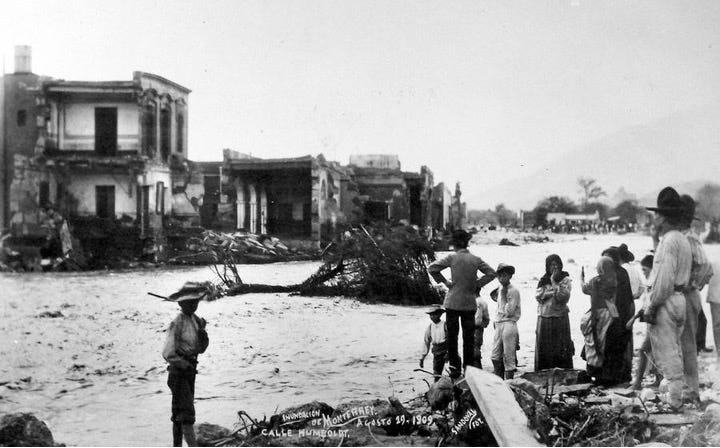
Monterrey Flood, Calle Humboldt, August 29, 1909. Photo: Sandoval. Historical archive.
Hanna transformed the U.S. consulate into a relief hub. He raised funds in the United States, organized emergency kitchens, and worked weeks without rest until he collapsed. No diplomatic protocol required it. He did it because he believed it was right. González Quiroga documents that Hanna frequently paid out of his own pocket to help the poor, without asking for receipts, because he found it undignified to demand them.
The people of Monterrey did not forget.
The Torreón train
In September 1913, in the midst of the revolutionary conflict, he organized a train of food for refugees fleeing Torreón. The detail that González Quiroga documents and that cannot be left out: Hanna included oranges from Montemorelos for the women and children, and cigars for the men. That level of human consideration in the middle of chaos is not logistics. It is character.
Partisans of every faction came to the consulate when their lives were in danger. Maderistas, Huertistas, Carrancistas, all of them knew they would find refuge in that building. Hanna maintained that neutrality carefully, without betraying any of them.
The arrest of 1914
When Huertista authorities arrested him that April, Hanna had spent fifteen years building something that no diplomatic title guarantees: the trust of an entire city, crossing factions, crossing social classes, crossing the resentment that the presence of the United States generated among those who suffered its consequences most. He spent several days imprisoned, maintaining his composure and demanding the release of other civilians. What protected him, according to González Quiroga, was not his passport or his title. It was that the majority of Monterrey’s population loved him.
That affection proved more powerful than the political hostility of the moment.
The shadows of the man
González Quiroga is honest in his assessment of the man, and that honesty is what makes his work valuable. Hanna was not perfect. He admired Porfirio Díaz too much and could not see, or chose not to see, the oppression that sustained the modernity that so impressed him. He held paternalistic attitudes toward Mexico’s popular classes. At times he failed to understand the resentment that U.S. presence generated among those who suffered its consequences most.
Those shadows do not diminish the man. They complete him. A figure without contradictions is not a human being. And what remains when everything is weighed, the floods, the famines, the imprisonment, the two decades of service that no protocol required, is a balance that few diplomatic lives of any era could match.
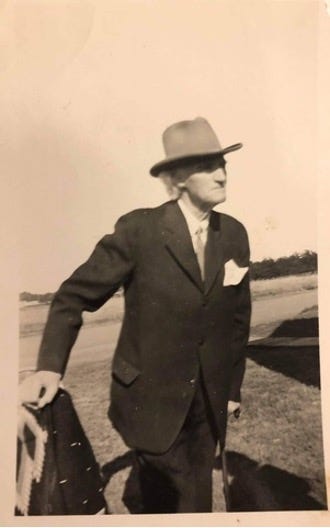
Philip C. Hanna in his later years, ca. 1920s. Hanna-Robertson Family Collection · Author’s personal archive.
The link
It was Philip Hanna, Uncle Phil as his family called him, who invited his niece Eugenia, daughter of his brother George Washington Hanna Jr., to travel from LuVerne, Iowa to Monterrey as a graduation gift. LuVerne: the same small town her father had founded decades before.
In Monterrey, Eugenia met Treadwell Ayres Robertson, son of Colonel Joseph Andrew Robertson, the entrepreneur who had arrived decades earlier to build the railroad to the Gulf of Mexico and ended up helping found the Cuauhtémoc Brewery, bringing baseball to Mexico, and publishing the city’s first bilingual newspaper. Eugenia and Treadwell married. Their daughter, my grandmother Georgia, was born in LuVerne, Iowa in 1902.
Without Uncle Phil’s invitation, that link does not exist. And without that link, neither does this article.
I mention this not as family curiosity. I mention it because it is the most concrete demonstration possible of something the NA77 platform has argued from its first publication: the bridges between two countries are not built by treaties. They are built by people. An invitation. A journey. An encounter. A decision made without calculating its consequences, that propagates across generations.
The poem
He never had children of his own. He poured his affection into his family and the city he had adopted as his. Twenty years in Monterrey, and when the time came to leave, he found no other way to do it than with a poem written by hand. Not a report. Not a speech. Verses about the Cerro de la Silla, the white dove of peace, and Mexico as the land of visions and dreams. That is what came out of him at the end. That is what he kept.
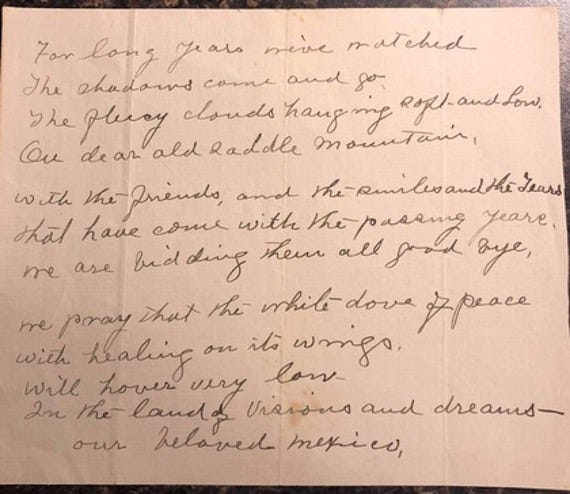
Philip C. Hanna’s handwritten farewell poem to Monterrey, ca. 1919. Hanna-Robertson Family Archive · Original document.
For long years we’ve watched / The shadows come and go, / The fleecy clouds hanging soft and low, / Our dear old Saddle Mountain.
With the friends, and the smiles and the tears / That have come with the passing years, / We are bidding them all good bye,
We pray that the white dove of peace / With healing on its wings / Will hover very low / In the land of visions and dreams, our beloved Mexico.
— Philip C. Hanna, ca. 1919
The land of visions and dreams. Our beloved Mexico. Written by a man from Iowa who arrived without knowing he would stay, who helped without being required to, who was imprisoned by the same people who later protected him, and who left behind verses instead of grievances.
There are no statues of Philip Hanna in Monterrey. No plaques. His name appears on no street, no building in the city he inhabited for twenty years. What he left is not visible. It is the kind of legacy that is never inaugurated or photographed: the paths other people walked because he was there, the decisions made differently because someone chose the bridge over the wall, collaboration over rupture.
Whether that thesis holds at scale is impossible to know. I can only verify my own. And that is enough to tell the story.
* * *
This article draws on the research of Miguel Ángel González Quiroga documented in his book Philip Hanna en Monterrey: Una visión de la Revolución Mexicana (Fondo Editorial de Nuevo León / UANL), and on stories, documents and photographs from the Robertson - Hanna family archive.
Gran historia de un gran ser humano y se alinea con las características que buscamos en las historias de Norte América.
Uncle Phil deserves this and much more!